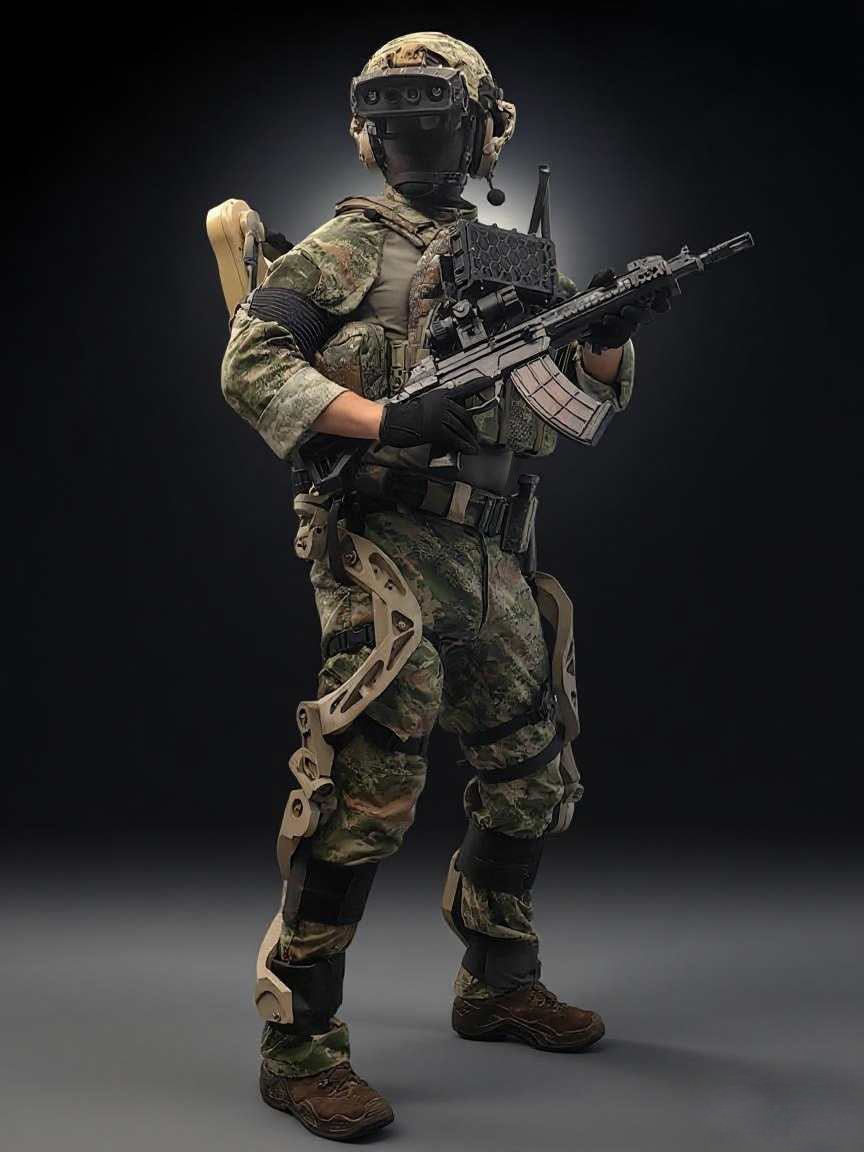
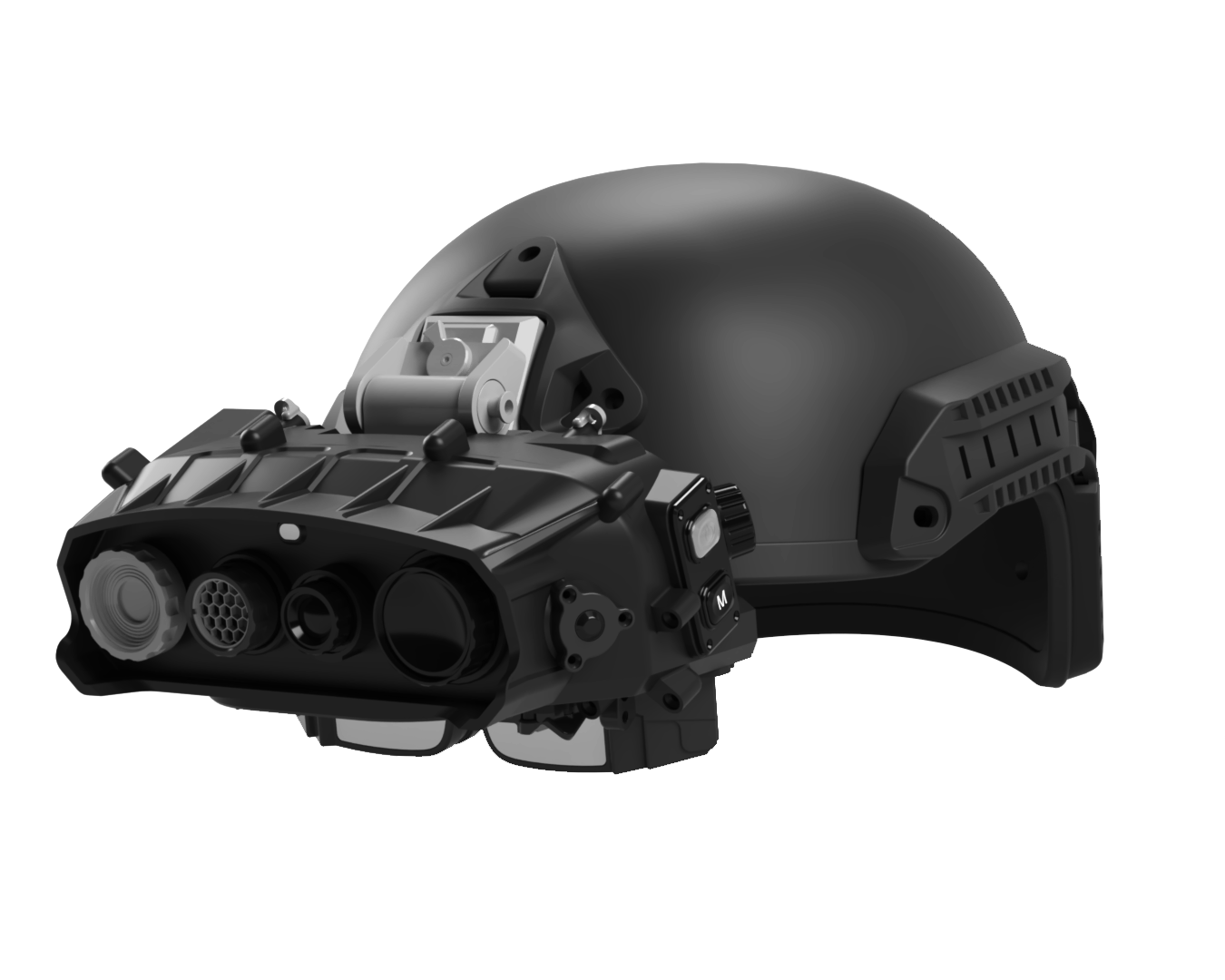
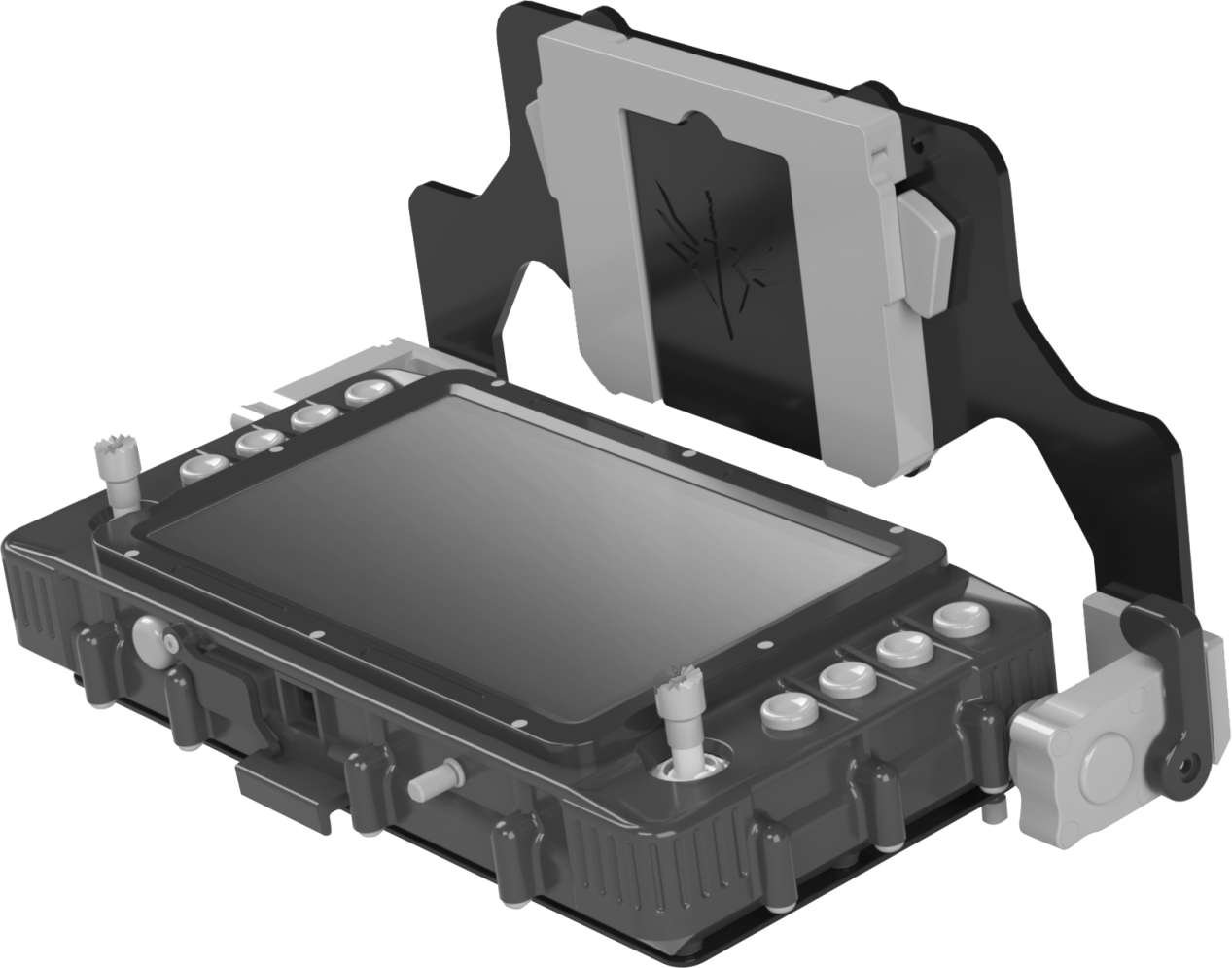
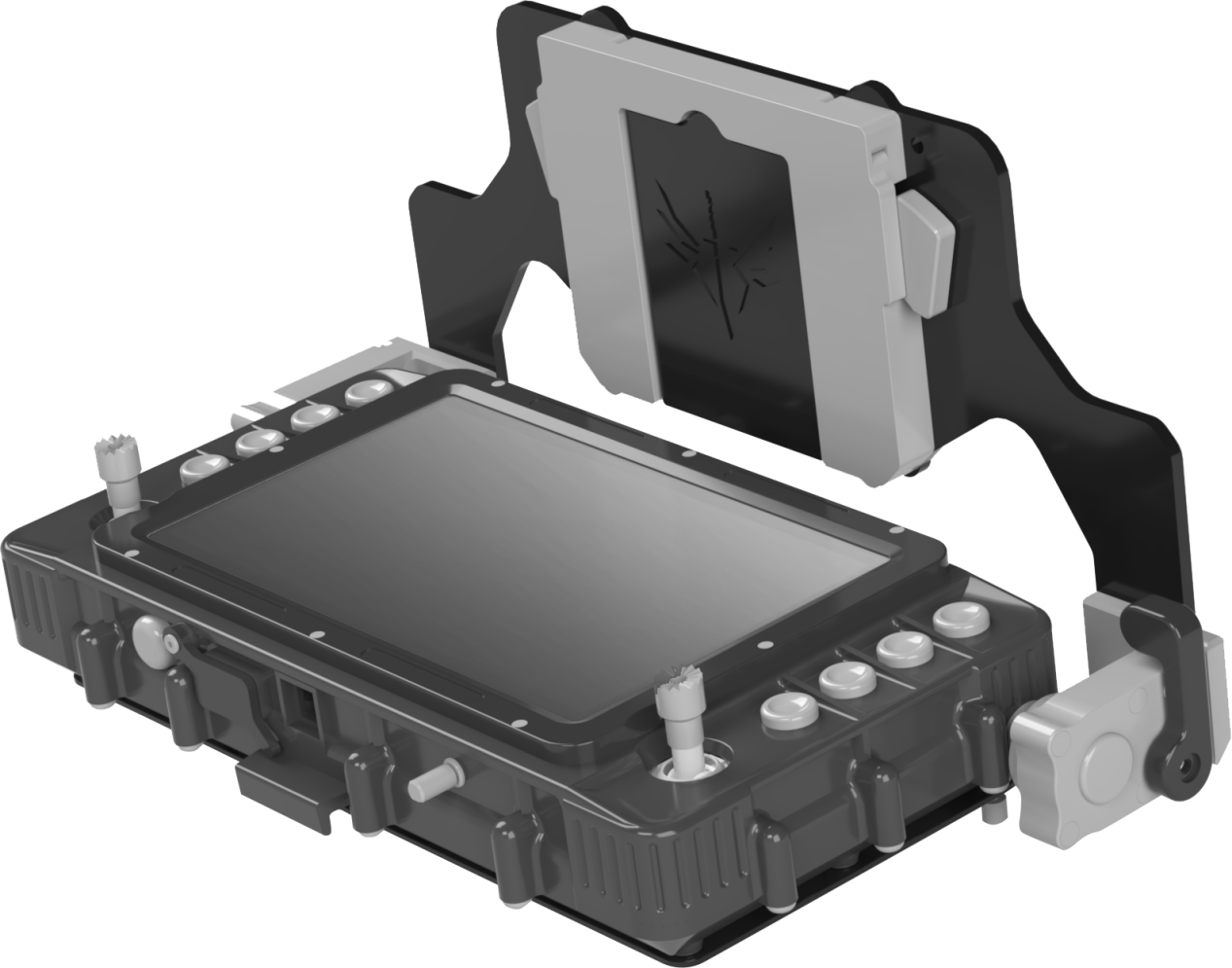
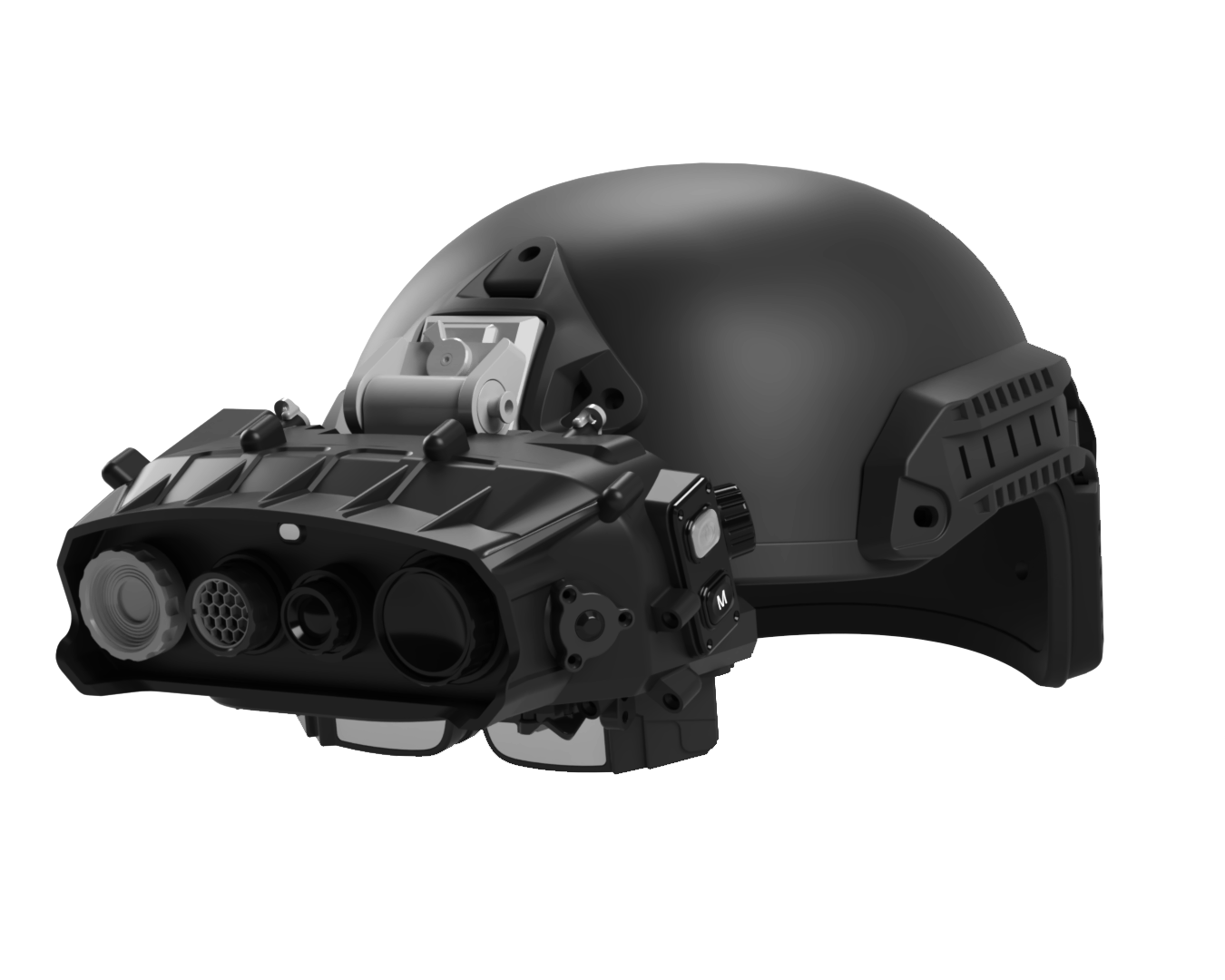
The Military Augmented Reality System (MARS) is an augmented reality (AR)-based individual combat AI device, mounted on helmets and body armor. It consists of tactical goggles and a tactical terminal, with external connectivity to individual power supplies, tactical ad-hoc networks, smart wristwatches, and smart sights.
Using binocular array waveguide AR optics, it overlays digital imagery (e.g., command indicators, markers, maps, or video feeds) onto the real-world field of view. Key capabilities include:
1. Multi-Spectral Reconnaissance
Tactical goggles integrate low-light night vision, long-wave infrared (LWIR), and visible-light RGB sensors.
Displays night vision, infrared, thermal fusion, and picture-in-picture (PiP) imaging.
Enables off-axis shooting by streaming smart sight feeds to the goggles for corner-shooting
2. Heads-Up Display (HUD) Capability
Projects tactical compasses, friendly/foe positions, and maps onto the waveguide display.
Hands-free operation enhances situational awareness.
3. Soldier Monitoring
Tracks real-time positioning and vital signs, shared with teammates’. HUDs and command centers
4. 3 D Target Designation(Optional features)
Uses laser rangefinders and positioning systems from smart holographic sights to mark 3 D coordinates.
Enables point-and-control for autonomous unmanned platforms.
5. Multi-Source Command & Dispatch
Transmits visible-light, night vision, infrared, and thermal fusion video via tactical ad-hoc networks to command centers.
Displays soldier location, vitals, and combat status.
Receives and executes real-time command directives.
6. Unmanned Platform Control
Connects to robotic dog units, UGVs, UAVs(FPV drone), and weapon stations, supports real-time visual streaming via the MESH terminal.
Replaces dedicated remote controllers for cross-platform.
7. Edge AI Capabilities(Optional features)
Embedded offline AI models enable:
Battlefield decision support Real-time multilingual translation Voice interaction
AI threat detection and alerts
8. Live Combat Training Integration(Optional features)
Interfaces with force-on-force training systems to project virtual targets onto tactical goggles Collects and analyzes training data for performance improvement.
Achieves seamless integration of training and combat readiness.